My life is still a work in progress.
I suppose I've never been particularly good at being just one thing.
Over the years, I've been a music composer, sound designer, graphic and web designer, multimedia artist, filmmaker, producer, and eventually a CEO. Each transition has felt less like changing professions and more like evolving into a different version of myself. Yet somehow, I've never quite left any of my previous selves behind.
Sometimes I wonder whether I've actually found my calling, or whether my calling has simply been to keep creating things.
Perhaps it's a bit of both.
I was born in the latter half of Generation X, although I've never quite subscribed to the cynicism often associated with my generation. I've always been something of an idealist. I enjoyed the imaginative worlds of computer games, fantasy, science fiction and art. I still do. Growing older has not necessarily made me any less curious about these things.
I came from a middle-class family, and I'm particularly grateful to my father, who helped me set up my first MIDI music studio in the late 1990s. At a time when music technology was still relatively expensive and unfamiliar to many, I was fortunate enough to have the means to experiment.
I studied sound engineering at SAE before pursuing graphic design and multimedia at Limkokwing. Music was always my first love, but visual design opened up another world for me. Eventually, the two became inseparable.
By 2001, I was working professionally as a music director and producer. In 2003, I released my first album, Peacevolution, under the name The Nexus. Two years later, I founded Nexus Creative, a multimedia agency where I continued composing and producing music while simultaneously working as a graphic designer and web/Flash designer. It was a particularly creative period of my life, moving constantly between visual design, interactive media and music production. During those years, I also composed for Discovery Channel, Crime Investigation Channel, and various commercial projects, eventually building a catalogue of hundreds of compositions.
In 2006, I watched David Lynch's Blue Velvet.
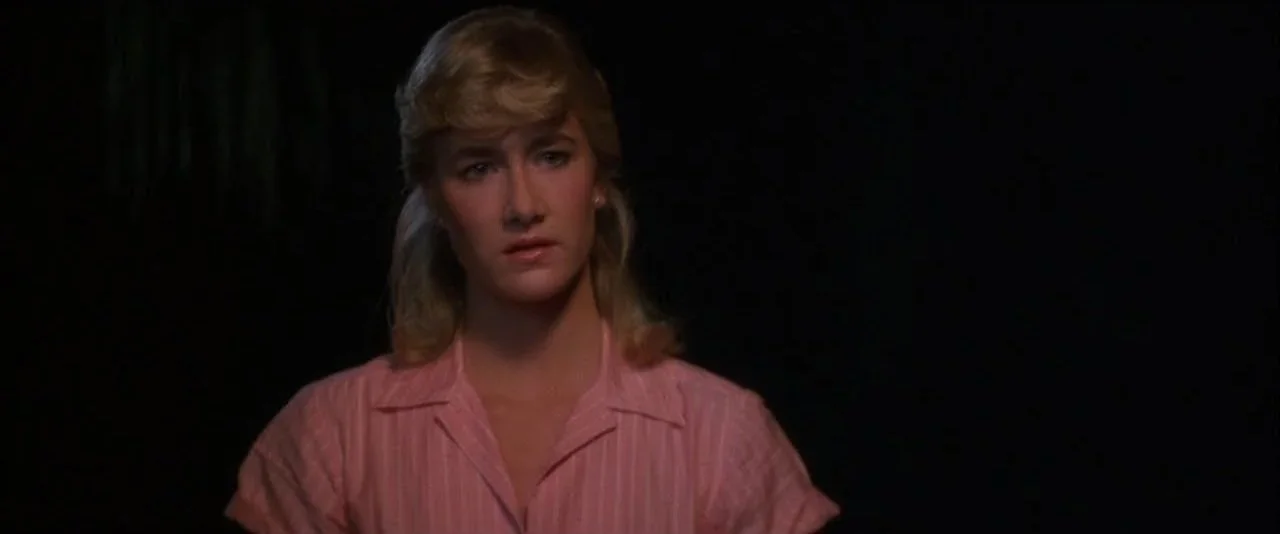
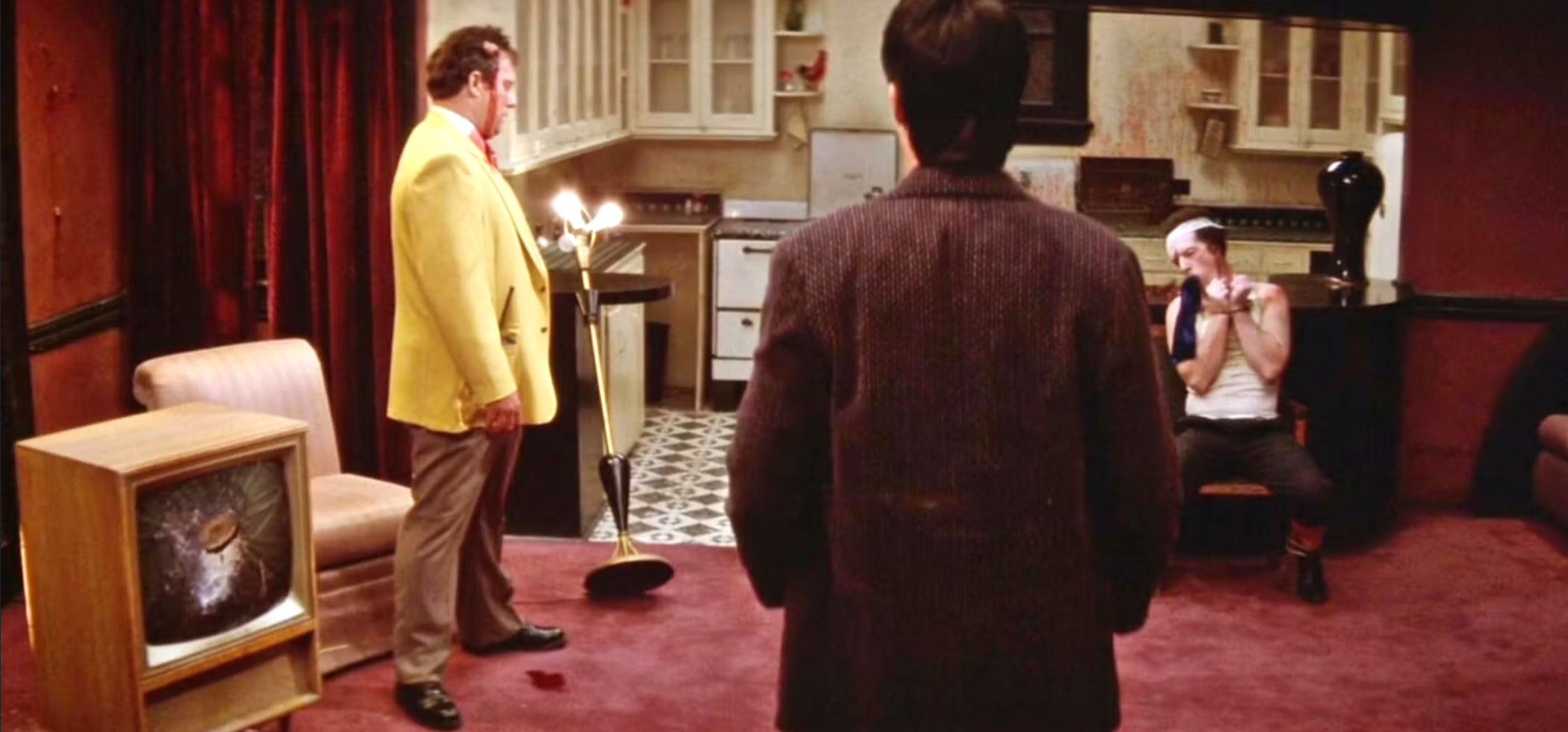
Mr. Lynch “woke me up.”
For the first time, I saw symbolism, the surreal, and the psychological layers beneath what appeared on screen.
Cinema seemed like a natural place for everything I had been doing in music, sound and visual design to come together.
But wanting to make films and actually having the courage to pursue filmmaking were two very different things.
I had already spent years establishing myself as a music composer, while simultaneously working as a graphic and web designer through Nexus Creative. Venturing into an entirely unfamiliar industry was both exciting and intimidating. It would take me nearly four years to seriously consider reinventing myself.
Meanwhile, I was still pursuing music.

In 2009, I produced my second album, Paradise.
It was an independent release, and getting it heard was a struggle. Malaysian radio stations showed little interest in supporting an independent artist like me. Even some friends seemed more interested in asking for complimentary CDs than actually purchasing one.
I won't pretend that wasn't disappointing.
Eventually, one music store gave the album a chance, placing it prominently on its shelves. Nearly 800 copies were sold. I also began reaching out to listeners overseas through platforms such as Jango Airplay and ReverbNation, where my music found an audience.
Something similar happened during my years as a web designer:
I had submitted my work to a local web design competition, only to be rejected. I subsequently entered international competitions and won several awards overseas.
It was a strange feeling, finding recognition overseas while struggling to receive the same acknowledgement at home.
I won't pretend those disappointments didn't stay with me.
Perhaps they still push me more than I care to admit.
Then, around 2010, something rather unexpected happened.
Apple's decision not to support Flash on the iPhone signalled a major change in the future of web design. The technology I had spent years mastering was beginning to lose its place in the industry.
Perhaps it was fate. I had been contemplating a move into filmmaking for years, and suddenly the very industry I was working in was changing beneath my feet.
Sometimes circumstances have a strange way of pushing us towards something we've been afraid to pursue.
And so, once again, I changed direction.
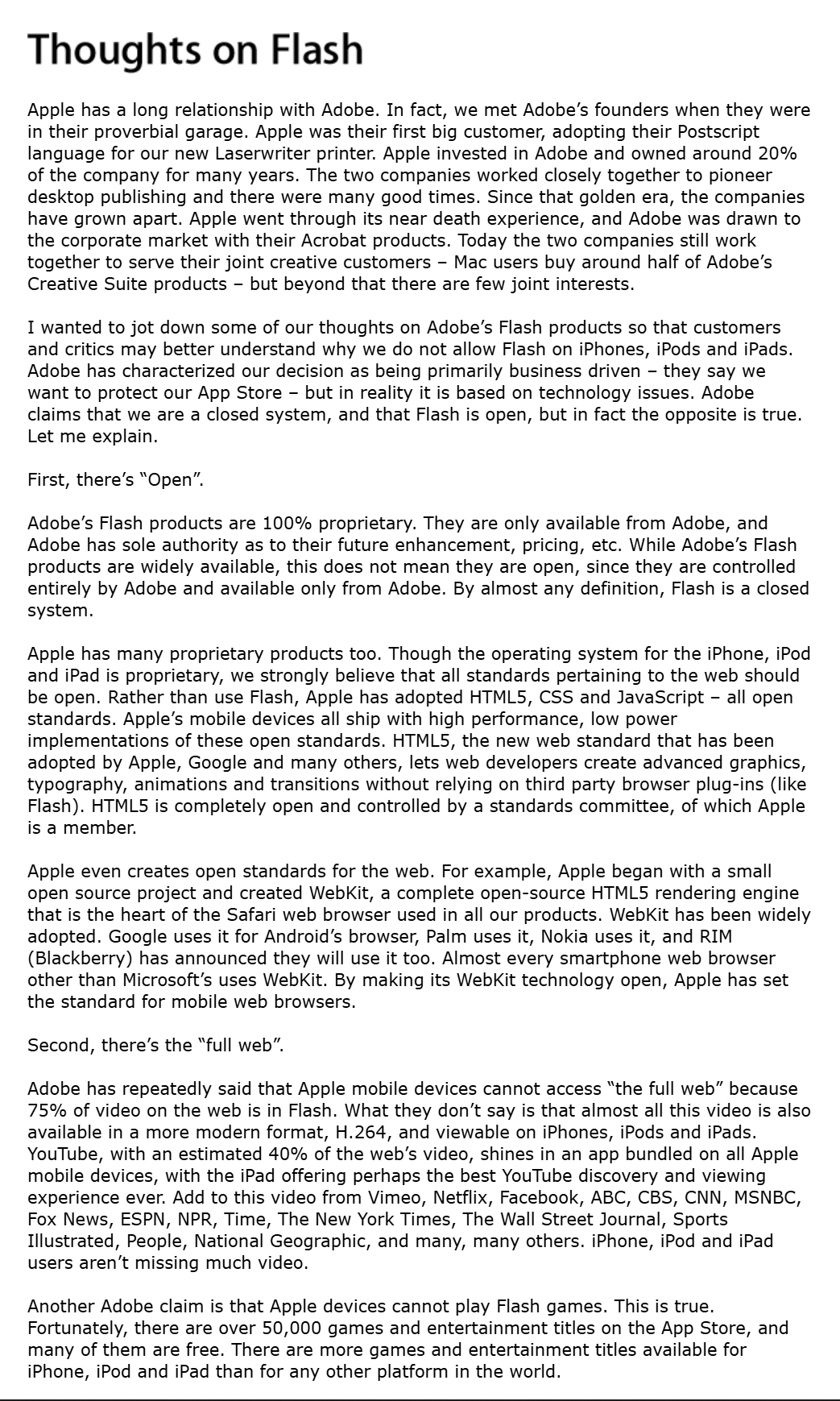

A short story I had written during college eventually became the basis for The Spiral. I developed it further with Kenny Li in 2014.
One day, I approached Aron Koh and told him I wanted to make a film.
He looked at me and asked, "Are you sure?"
Despite my inexperience, he took a chance on me. And so, in 2016, I directed my first feature film.
For that, I will always be grateful.
When it was completed, it wasn't a particularly successful film locally, although it found its way to several international festivals, including the International Horror & Sci-Fi Film Festival and the Berlin Sci-Fi Film Festival.
I have never been completely satisfied with The Spiral.
In fact, I consider it fundamentally flawed.
There were many things I wanted to achieve but couldn't, partly because of my own limitations at the time. I had an idea of what the film should be, but wanting something and knowing how to execute it are two entirely different things.
Nevertheless, I had made my first feature.
And whatever its shortcomings, it taught me considerably more than I could have learned by simply talking about making films.
In 2017, I joined ACE Pictures, primarily as a producer and financier. For nearly a year, I was reading one or two screenplays almost every day, evaluating projects and deciding which stories were worth pursuing.
It was exhausting, but it exposed me to an entirely different side of filmmaking.
Over the following three years, we produced nine films, three of which premiered at Sundance.
Clemency won the U.S. Dramatic Grand Jury Prize at Sundance in 2019. Color Out of Space won Best Picture in the Horror Features category at Austin Fantastic Fest, as well as Best Film and Best Director at Fangoria x Monster Fest in Australia. Daniel Isn't Real also received recognition at several international festivals.
I earned my first p.g.a. mark and had the opportunity to work on projects involving some extraordinary talents, including Angelina Jolie, Nicolas Cage, David Oyelowo, Melissa Leo and others. I was also a co-producer on James Wan's Malignant.


These were achievements I could never have imagined when I first started experimenting with music in my bedroom studio.
Yet being involved in films at that level also showed me how difficult the business really was. Behind every completed movie were years of development, negotiations, financing, compromises and, occasionally, sheer luck.
During this period, I continued directing short films through the ACE Inspirational Series. Two of these projects received Grand Awards at the World Media Festivals in 2021 and 2022, alongside recognition at the Cannes Corporate Media & TV Awards.
I also returned to The Spiral in 2021, something I had been putting off for years. I reworked the editing, compositing and music in whatever spare time I could find. The resulting director's cut eventually opened the New York Sci-Fi Festival in 2022.
That was when I finally decided to leave it alone.
I have a terrible habit of remembering almost every detail of my past, including the things I wish I had done differently. It is both a blessing and a curse. I find it difficult to forget unfinished business, especially when I know something could have been better.
But there comes a point when you have to accept what you have done and move on, even when you remain dissatisfied.
Perhaps that is why Taoist and Buddhist philosophies have always interested me. The idea of acceptance, of recognising that everything is constantly changing, becomes more meaningful as I grow older.
Of course, appreciating a philosophy and actually living by it are two very different things.
The pandemic had also changed the business around me.
Like so many industries, filmmaking went through enormous changes. Between 2021 and 2024, I spent considerable time trying to understand what was happening to the international film market. Financing had become increasingly difficult, distribution models were changing, and the way people consumed content was shifting faster than I could have imagined.
I spent years learning how the international film business operated, only to discover that some of what I had learned was already becoming outdated.
It was frustrating, to say the least. But around the same time, after years of pushing to get my second feature made, I finally caught a break.
In 2024, I completed Time to Leave.
Directing it reminded me of something I had missed while spending so much time managing projects, reading screenplays and dealing with the business of filmmaking.
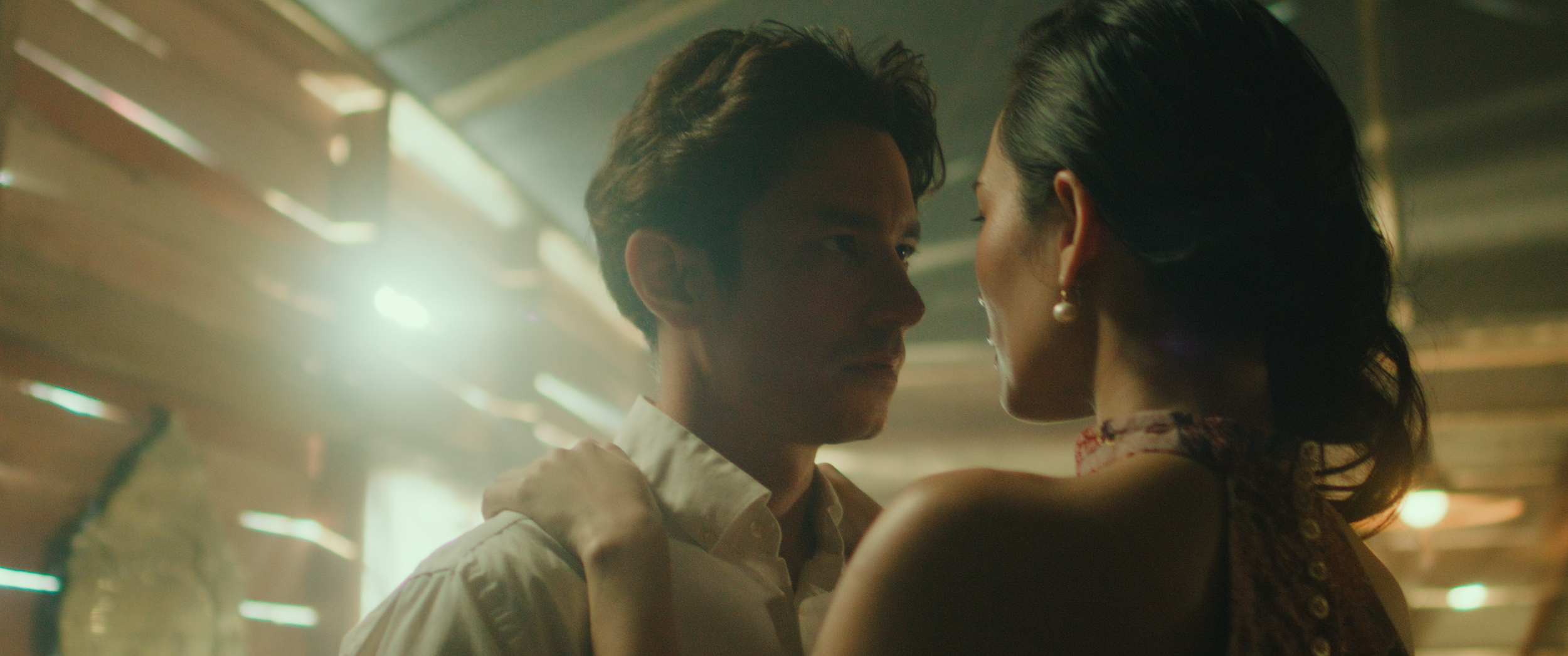
I wanted to make films again.
Not just oversee them. Not just discuss how they should be financed or distributed. I wanted to get back into writing, directing, editing and creating something from the ground up.
But the world I was returning to was not the same one I had entered in 2016.
The emergence of generative AI was changing the creative landscape, while vertical microdramas were becoming an increasingly significant form of entertainment. Filmmaking was no longer confined to the formats and distribution models I had grown accustomed to.
So I began looking into these developments more seriously.
I wasn't particularly interested in abandoning traditional filmmaking for completely AI-generated movies. I wanted to understand how the technology could be used alongside real actors, real performances and conventional production techniques.
In 2025, I finally had an opportunity to experiment with a different approach.
I became involved in four microdrama productions, executive-producing two and taking on the writing, producing and directing of the other two.
For my own projects, Number Nine and Left for Dreams, I decided to attempt something rather unconventional: shooting them as both vertical microdramas and traditional feature films.
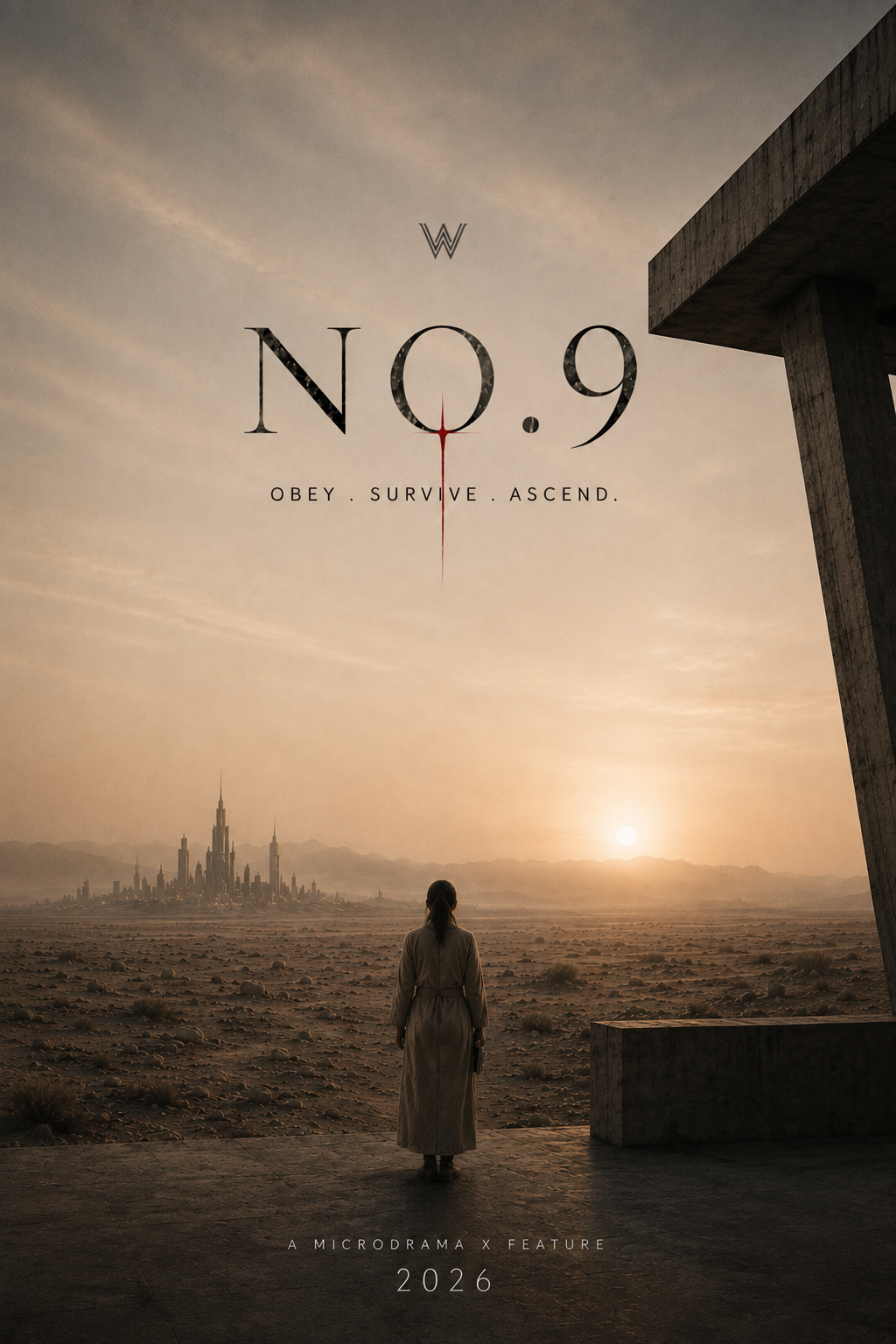
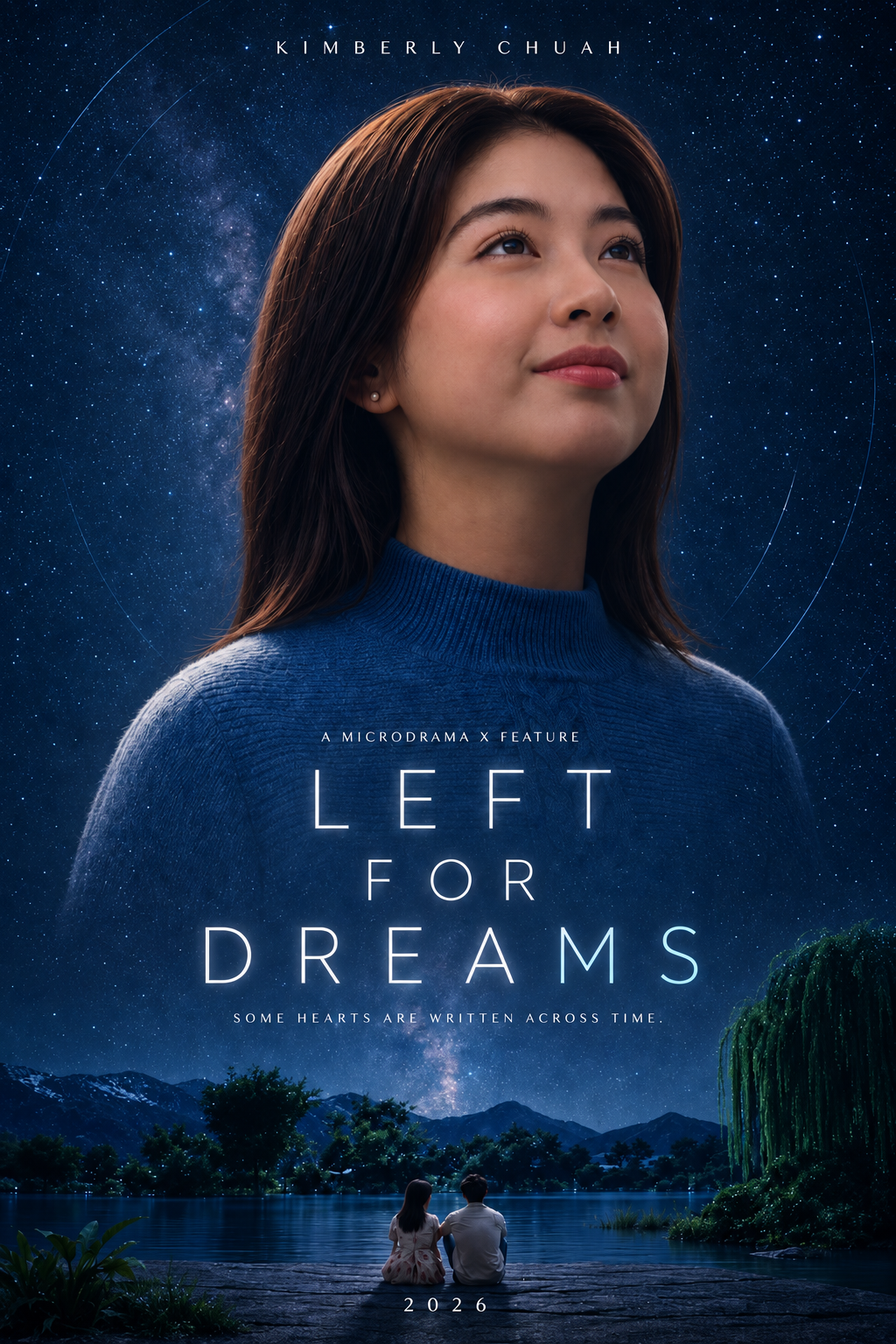
Many people told me it couldn't be done, or that the two formats were too different to be accommodated within the same production.
Well, we went ahead and shot them anyway.
Whether the market will embrace this hybrid format remains to be seen, but we have already demonstrated that it is possible to plan and photograph the material for both.
These productions were made on extremely limited budgets, with principal photography compressed into roughly eight days.
It was physically and mentally demanding. I also had very little time to work on the stories before returning to the director's chair. There was no luxury of spending months refining every detail. We had to make decisions quickly, sometimes under far from ideal circumstances.
Looking back, there are things I wish we could have done differently. But that has been true of almost every major creative endeavour I have undertaken.
I owe a tremendous amount to the cast and crew who worked through those demanding productions with me. Whatever becomes of these films, their commitment and contributions are something I will not forget. These projects simply would not exist without them.
Both productions were shot with real actors and performances. One uses relatively modest AI-assisted post-production, while the other is a far more ambitious experiment involving extensive visual effects, artificial environments and background replacement.
For the latter, we even developed an approach using what I call a grey-screen environment, allowing us to photograph the performances practically while leaving considerable room to reconstruct the surrounding world in post-production.
It is still a work in progress. We are learning, making mistakes, correcting them, and gradually finding a methodology that makes sense for our resources.
What interests me is not simply whether AI can generate something impressive. It is whether we can use it to make a film that would otherwise be financially difficult to produce, without losing the qualities that make filmmaking meaningful to me.
And this brings me to a rather strange point in my life.
I spent half my career as a designer and music composer. Those were skills that took years of practice, patience and countless hours of work to develop.
Today, AI can produce images and music in seconds that would once have required considerable human effort.
I could complain about it. I suppose many people in my position have every reason to.
But what would that accomplish?
Technology has disrupted my career before. It happened when Flash disappeared, and it is happening again now. I can either spend my time lamenting what has changed or try to understand how I might continue creating within this new environment.
I have chosen the latter.
That doesn't mean I intend to surrender everything to AI.
Music, in particular, remains very personal to me.
There is something about sitting down, finding a melody, arranging the instruments and gradually hearing a composition take shape that gives me an enormous amount of satisfaction. Sometimes a piece of music inspires me to pursue something entirely different. Sometimes I simply enjoy the process of creating it.
I don't want to lose that.
AI may be able to generate music far more quickly than I ever could, but speed has never been the reason I enjoyed composing in the first place.
And there is something else that continues to surprise me.
Back in 2012, I composed The Best Time of Your Life for Tourism Malaysia. More than a decade later, I still receive wonderful comments from people around the world who remember the music, who tell me they love it, or that it brings back memories of Malaysia.
Imagine that. Something I composed all those years ago is still being listened to and appreciated by people I have never met.
I find that incredibly gratifying.
It remains one of the pieces of work I am especially fond of.
Perhaps this is also why I continue to believe there is a place for human creativity, regardless of how sophisticated technology becomes.
I cannot predict how music, design or filmmaking will evolve, but I know what creating them means to me.
I will continue composing music, even if it takes me longer. I will continue designing when I feel like designing.
And I will continue making films, using whatever tools I believe are appropriate for the stories I want to tell.
At present, my two latest films are undergoing post-production, and I am curious to see how far we can take this hybrid filmmaking approach. If the results prove encouraging, I hope to embark on another four-picture slate, again combining vertical microdramas with feature-length cinema.
Some of these stories were originally conceived back in 2017. They have been sitting in my collection of screenplays and ideas for nearly a decade, waiting for the right opportunity.
I never quite gave up on them.
Perhaps the combination of new technology, different production methods and changing audience habits will finally allow me to make some of those films.
Perhaps not.
There is still a considerable amount of work ahead, and I am under no illusion that AI automatically makes financing, production or distribution easy.
In fact, I suspect the challenges will continue changing just as quickly as the technology itself.
But I find myself at another crossroads, and strangely enough, I'm excited.
There is a difference between the uncertainty of not knowing what you want and the uncertainty of not knowing whether you can pull it off. At least now, I know which one I'm dealing with.
As I grow older, I want to spend more of my time doing the work that made me choose this life—not just managing everything around it. That balance isn't always easy to maintain. But an idea that excites me still makes me want to clear the desk and get started.
I sometimes wonder what my younger self, experimenting with MIDI instruments in the late 1990s, would think if he could see where I am today.
“Wait… we get to make movies too?”
I’d probably want to tell him everything. He’d probably want to get his hands on whatever I was using.
Especially once he saw what we could create now.
“Can we try something?”
I think we’d be up all night.
Pete
October 2026

I am a multidisciplinary creative professional—film director, producer, sound designer, composer, and multimedia artist—driven by a passion to elevate Asian cinema to global audiences. My work focuses on innovative storytelling, cross-border collaborations, and crafting cinematic experiences that stretch creative boundaries. From cosmic horror to martial arts thrillers, I strive to fuse immersive soundscapes, striking visuals, and compelling narratives, bringing bold ideas to life while balancing both artistic vision and commercial viability.
The Evolution of My Creative Persona
Throughout my artistic journey, I've adopted various names that reflect different facets of my creativity and personal growth. I began as Peter Wong, focusing on graphic, web, and multimedia design, as well as early commercial music and film projects.
In my music albums and other art music projects, I use The Nexus, embodying my passion for sonic storytelling. As I evolved, I finally embraced the name Pete Wong for all my future creative endeavours.
Each name signifies a distinct chapter in my life, collectively painting the portrait of the artist I am today.